
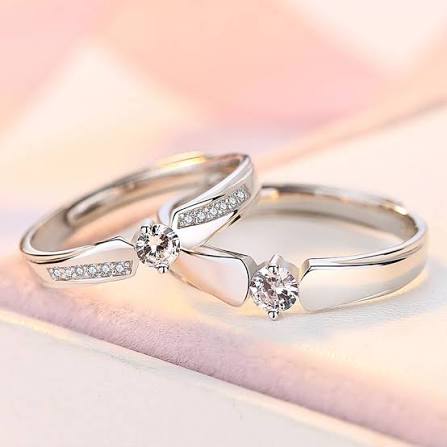
Get a perfect ring size at home
Every woman’s hands look great with bracelets and bangles, but her hands look elegant when they wear diamonds, rose gold, or gold rings
A ring on a man’s hand is not just an accessory, but it shows the man’s personality; the same for men when they wear rings- their hands become more elegant and classic
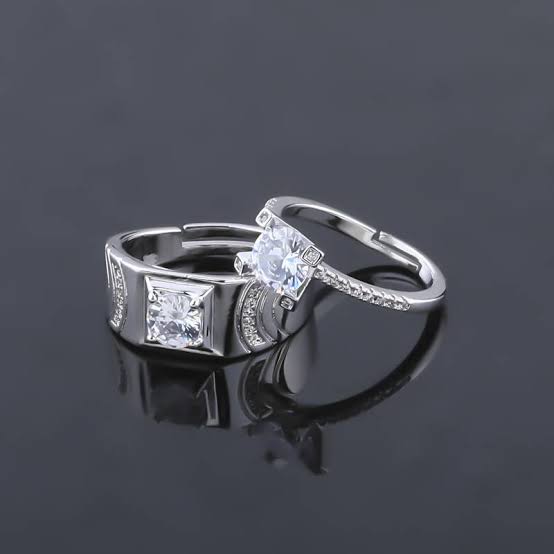
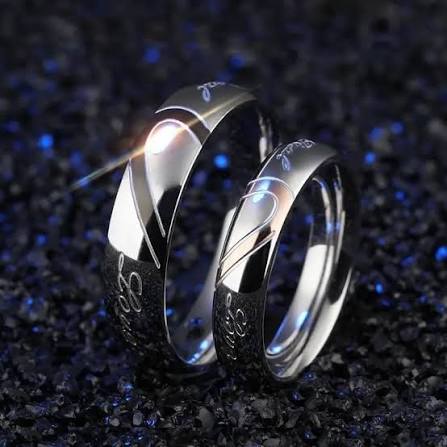
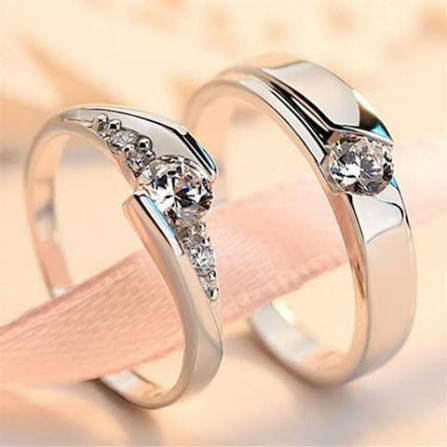
Here is the way you can purchase your ring at home
Follow these steps to purchase a ring at home……..!
1. The Paper Strip Method:
In this method, cut a thin strip of paper about 1 cm wide and 10 cm long.
Then wrap it up around the target finger. Ensure that it is comfortably wrapped around your finger.
Mark it with a pen where the paper overlaps.
Lay down the paper on a flat surface and measure the distance from the end to where you marked with the pen in millimeters (mm) using the ruler. This is your circumference.
2. The Existing Ring Method:
Select a ring that fits the intended finger perfectly.
Lay it over a ruler with millimeter markings.
Measure the inside diameter straight across the center of the ring (do not include the metal band’s thickness).
Ring size chart
| Circumference | Diameter | Ring size |
| 47.1mm | 15.00mm | 4 |
| 49.6mm | 15.8mm | 5 |
| 52.2mm | 16.6mm | 6 |
| 54.7mm | 17.4mm | 7 |
| 57.2mm | 18.2mm | 8 |
| 60.00mm | 19.1mm | 9 |
Some Pro-Tips
Measure late in the day: Fingers swell slightly throughout the day; measuring at night gives the most comfortable fit.
Account for knuckles: If your knuckle is significantly wider than the base of your finger, measure both locations and pick a size halfway between them.
Size up for wide bands: Bands wider than 6 mm feel tighter than thin bands, so order a half-size larger
Use string instead of paper: A non-stretchy piece of string or dental floss works similarly to paper, but make sure not to pull it too tight, as string can stretch and give a smaller size than reality.
Check your hands when warm: Avoid measuring when your hands are cold, as fingers shrink when chilled. Wait until your body is at a normal room temperature.
Measure multiple times: Measure your finger 3 to 4 times across different times of the day to find an accurate average.
Dominant hand factor: Your dominant hand is usually about half a size larger than your non-dominant hand, so always measure the exact finger on the specific hand you plan to wear the ring on.
Printable sizing sheets: You can print out a 100% scale ring sizing tool online, but always double-check the printed ruler with a real ruler to ensure your printer didn’t scale the image down.
Things to notice when you buy silver rings
Silver rings offer a sleek, versatile look with modern appeal, high durability for daily wear, and a far more accessible price point than gold. Understanding silver jewelry comes down to purity standards, finishes, and maintenance.
1. Silver Purity Standards
Pure silver (99.9%) is extremely soft and easily bent, making it impractical for rings. It is alloyed with copper or other metals to create daily-wearable strength.
Coin Silver (90% Pure): Older or vintage silver pieces often use a slightly lower purity, giving them a heavier, antique feel
925 Sterling Silver (92.5% Pure): The global standard for fine silver jewelry. It combines 92.5% pure silver with 7.5% alloy (usually copper) for durability, structural strength, and brilliance.
Argentium Silver: A modern premium alloy containing germanium. It is more tarnish-resistant than standard sterling silver and slightly brighter.
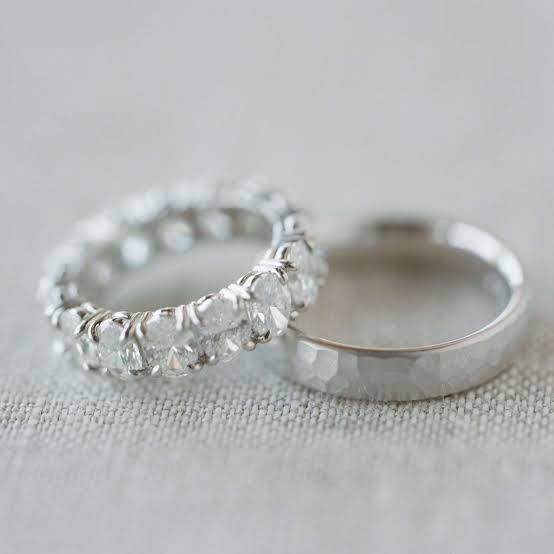
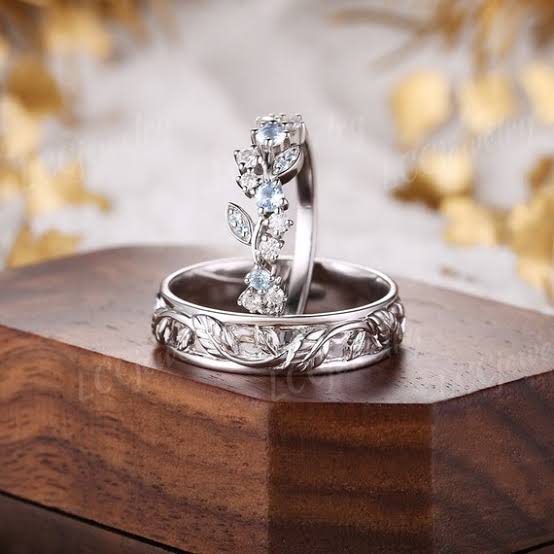
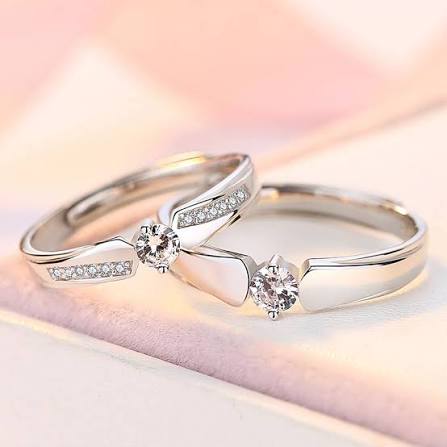
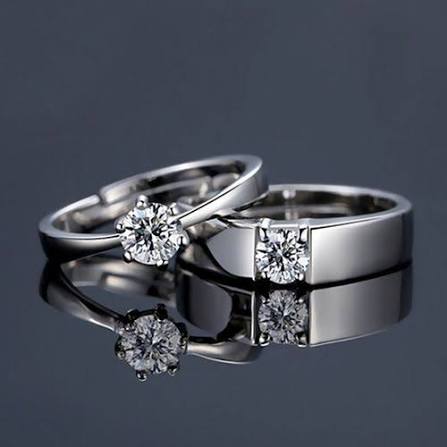
Here are a few silver rings
2. Popular Finishes & Styles
- Polished High-Shine: Smooth and mirror-like, offering a clean, contemporary aesthetic.
- Oxidized / Antique Silver: Intentionally darkened in recessed areas using surface treatments to highlight carved patterns, vintage motifs, or signet engravings.
- Rhodium-Plated Silver: Coated with a thin layer of rhodium (a platinum-family metal) to prevent tarnishing and give it a bright white-gold sheen.
3. Quality Stamp & Care Essentials
- Hallmark: Look for an engraved 925, S925, or STERLING stamp on the inside of the band to confirm genuine sterling silver.
- Tarnish Management: Silver naturally reacts with air and sulfur compounds over time (tarnishing). Wearing your ring frequently actually helps prevent tarnish due to friction and skin oils, while occasional polishing with a microfiber cloth keeps it brilliant.
Things to notice when you buy gold rings
Gold rings are valued for their timeless appeal, durability, and cultural significance. Choosing or understanding a gold ring comes down to three main details: purity, color variations, and hallmarking.
1. Gold Purity (Karat Ratings) Pure gold (24K) is too soft for daily rings and bends easily. To make it durable, gold is alloyed with copper, silver, zinc, or nickel.
- 22K Gold (91.6% Pure): Rich yellow tone, popular for traditional designs, but softer and prone to scratches under heavy daily wear.
- 18K Gold (75% Pure): The ideal balance of high purity and durability. Perfect for diamond settings and luxury band work.
- 14K Gold (58.3% Pure): Highly durable and scratch-resistant, ideal for sleek modern men’s bands and active daily wear.
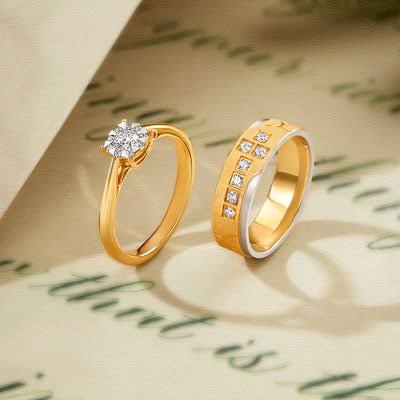
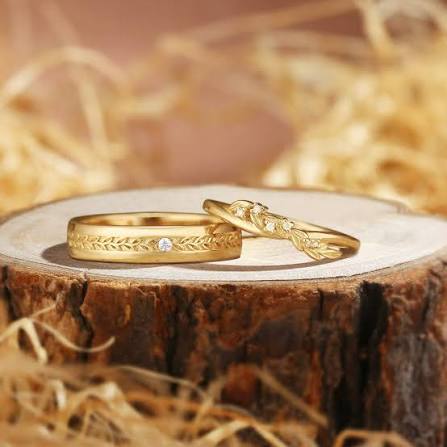
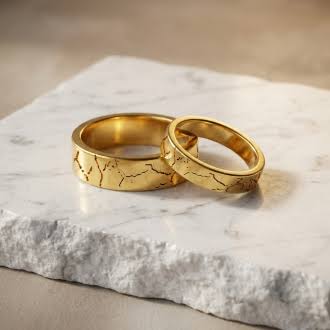
Here are a few gold rings
2. Popular Gold Color Variants
- Yellow Gold: Classic and warm, created by mixing pure gold with copper and silver.
- White Gold: A sleek silver finish created by alloying gold with nickel or palladium, typically rhodium-plated for extra shine.
- Rose Gold: Features a warm, reddish tone achieved by adding a higher proportion of copper.
3. Essential Quality Markings: Always look for an official BIS Hallmark or a purity stamp (e.g., 916 for 22K, 750 for 18K, or 585 for 14K) inside the inner band to confirm authenticity and resale value.